Travel and photography are inseparable. Each journey brings new landscapes, faces, and experiences worth preserving. A single photograph can transport you back to the emotions of that moment—the smell of street food, the laughter of strangers, or the colors of a sunset. Travel photography is more than snapping pictures; it’s storytelling. With the right techniques and mindset, anyone can capture memories that feel timeless.
Why Travel Photography Matters
Travel is fleeting, but photographs last forever. Pictures don’t just document where you went—they reflect how you felt. A well-composed image allows you to relive the adventure while sharing your story with others. For many, travel photography is also a way to appreciate beauty more deeply by slowing down and noticing details.
Essential Gear for Travel Photography
You don’t need expensive gear to capture meaningful photos, but having the right tools helps:
- Camera or Smartphone – Modern phones rival professional cameras in many settings.
- Lightweight Tripod – Perfect for landscapes, night shots, or group photos.
- Lenses – A wide-angle lens for scenery, a portrait lens for people, and a zoom lens for wildlife.
- Backup Storage – Memory cards or cloud storage prevent heartbreak if files get lost.
- Portable Charger – Keeping devices powered ensures you never miss a shot.
Techniques to Improve Your Photos
- Golden Hours – Shoot during sunrise or sunset for soft, warm lighting.
- Rule of Thirds – Place subjects slightly off-center for balanced composition.
- Foreground Interest – Add depth by including objects like flowers, rocks, or signs.
- Candid Moments – Sometimes the best photos are unposed and natural.
- Experiment with Angles – Shoot from low, high, or unusual perspectives to make images unique.
Capturing People and Culture
Portraits are powerful in storytelling. When photographing people:
- Always ask for permission, especially in sensitive cultural contexts.
- Focus on details like hands at work, market stalls, or traditional clothing.
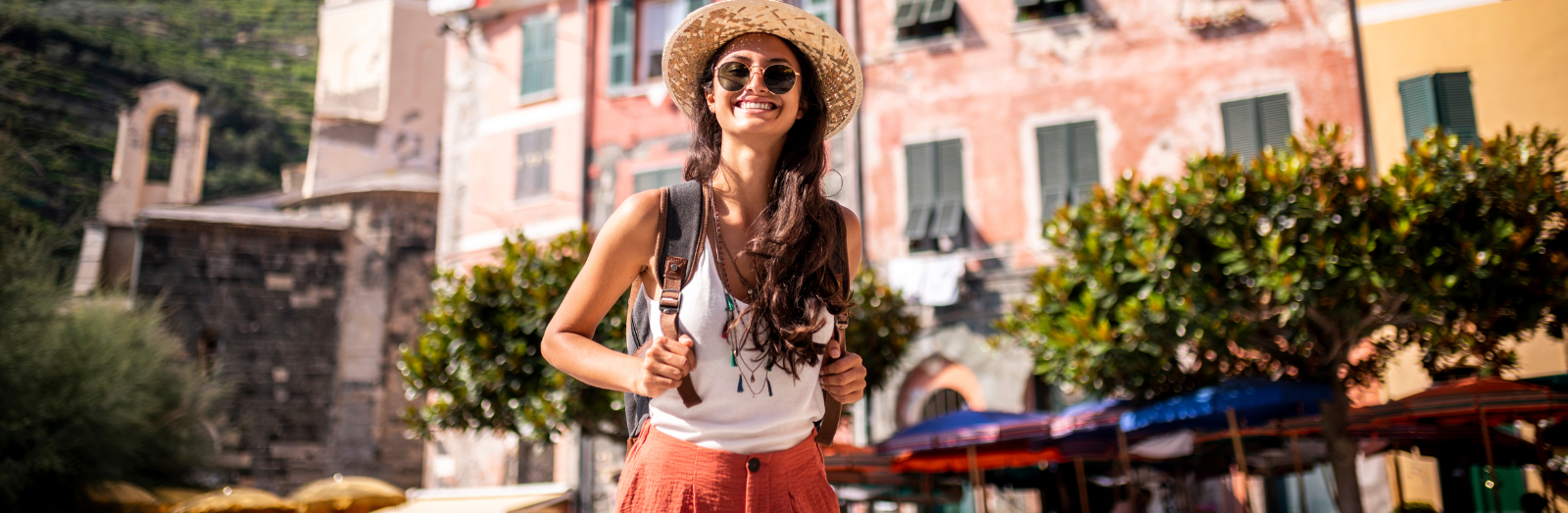
- Smile and interact—it builds trust and creates more authentic images.
Food photography is another way to capture culture. Street food stalls, vibrant markets, and local dishes reveal as much about a place as its monuments.
Photographing Landscapes and Nature
Natural wonders demand patience and observation.
- Use wide angles for mountains, coastlines, or fields.
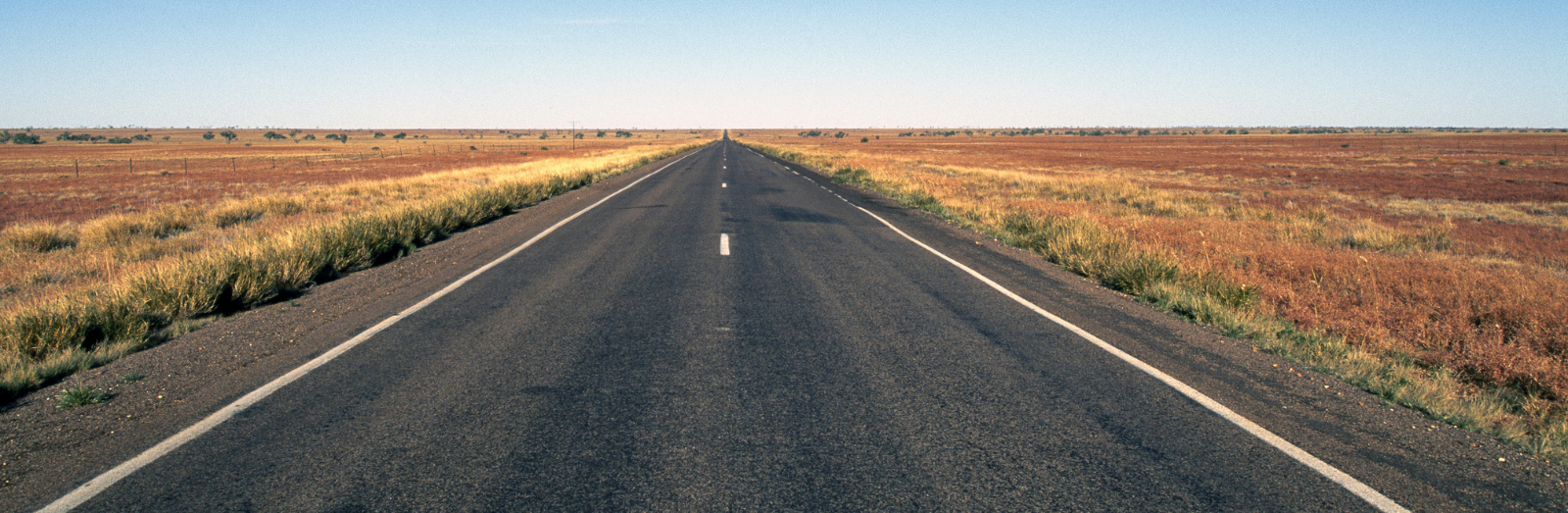
- Incorporate leading lines like roads or rivers to guide the viewer’s eye.
- Wait for dramatic skies—clouds, mist, or storms can transform an image.
Wildlife photography requires respect. Keep a safe distance and avoid disturbing animals. Sometimes, the best wildlife moments come from simply waiting quietly.
Storytelling Through Photos
Think beyond single snapshots. Build a narrative:
- Arrival – The airport, bus, or first city view.
- Daily Life – Markets, cafés, and streets show the local rhythm.
- Iconic Moments – Landmarks, festivals, or special encounters.
- Quiet Beauty – Sunsets, reflections, or personal moments of reflection.
Together, these photos create a visual diary of your trip.
Editing and Preserving Memories
Post-processing enhances photos while keeping them natural. Adjust brightness, contrast, and color to reflect the mood. Avoid over-editing—authenticity is key. Store your images safely with backups on drives or cloud services, and consider printing albums. Holding a physical photo brings memories to life in a way screens cannot.
Final Thoughts
Travel photography is about more than perfect shots—it’s about preserving emotions and stories. Every picture holds a memory: the thrill of adventure, the kindness of strangers, or the calm of nature. By focusing on storytelling, technique, and respect for culture, your photos become treasures that last a lifetime.
So next time you travel, don’t just take pictures—capture moments. Years later, you’ll look back and not just see the world, but feel it again through your own lens.